Showing posts with label "museum". Show all posts

Thursday, April 22, 2010

Informal Science Panel... on the Radio!


Local Bay Area radio call-in show "Forum" hosted a panel at the Exploratorium called "From The Exploratorium: Engaging Kids in Science":
"With California schools facing a huge budget crisis, what's being done to maintain and grow quality science education in the state's K-12 schools? In a special remote broadcast from San Francisco's Exploratorium, we look at innovative programs going on in the Bay Area to bring science to communities with limited resources."
There were some great comments, questions, and discussions around not only the value of Inquiry-Based Learning, but practices explored. On the panel were leadership in learning from the Explo, and the Bay Area school system.

It's exciting that these ideas are being aired with a broader audience. 

Podcast should be available later today via the link above. Have a listen.

Wednesday, November 18, 2009

We've Got the Beat (or Why Percussion Makes for a Good Music Exhibit)


By Maria Mortati, Sr. Exhibit Developer

In the last month I have visited 19 museums. Some have had sound or listening experiences- an exhibit content area we're working on. One thing we've been looking at is how to help people fairly quickly make and share music. There are lots of approaches, from acoustic to technical, and as a part of our research, we've been trying them all.

On a recent visit to the Experience Music Project my experience was a bit like the 3 Little Bears. I tried several instrument booths until I found the right one- or rather, the best experience. 

The guitar was cool, but to follow along for a real lesson where I'd actually learn something, I'd need a couple of hours... or days. Plus my feet were getting tired (am old!). The keyboard was better- I was sitting, the experience was more isolated, and it was easy to strike a note and know I'd gotten it "right". However, it sounded... not so good. Drums however were just right: I was seated, the sound was easy to make, there was little "right or wrong" and the on-screen lesson synched with the booth experience worked well to make me sound good.

Not long after the EMP trip, I was with a group at Zeum where everyone walked up and started jamming together on some tubes for their "Pop Music" experience. They played, the got it, and they had fun– all in the space of a few minutes:


On a visit to the Exploratorium Listen exhibit, they have lots of fun, phenomena-based exhibits. However, the creative exhibits which required "playing" or making sound were primarily percussive. There was the 'Xylophone Room' exhibit, and of course, the drums. While both weren't social, they were both engaging and fostered instant mastery.


It's an interesting challenge to get the general public excited about music-making, have a sense of appreciation for the mastery, and also give them some feeling of positive reinforcement at the same time. Seems like percussion is nice for an entry point.

Friday, October 30, 2009

Part 1: the smaller of the 2

By Maria Mortati, Sr. Exhibit Developer

Since winter approaches, thought a quick post about a museum in Northern Iceland might be just the thing.

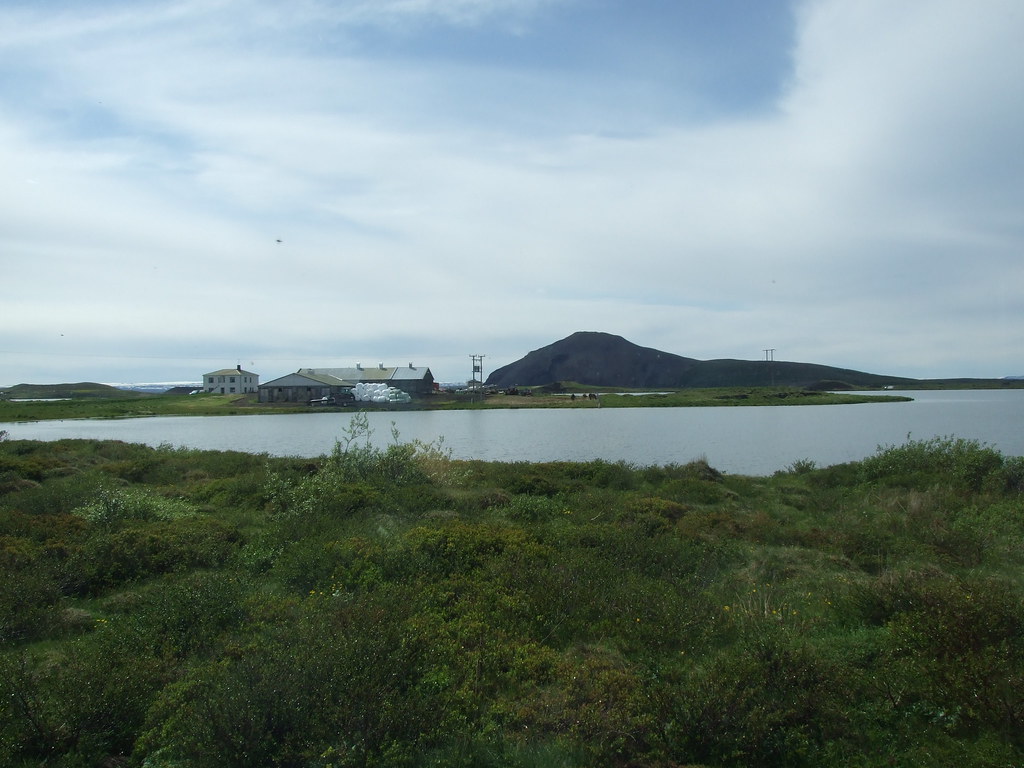
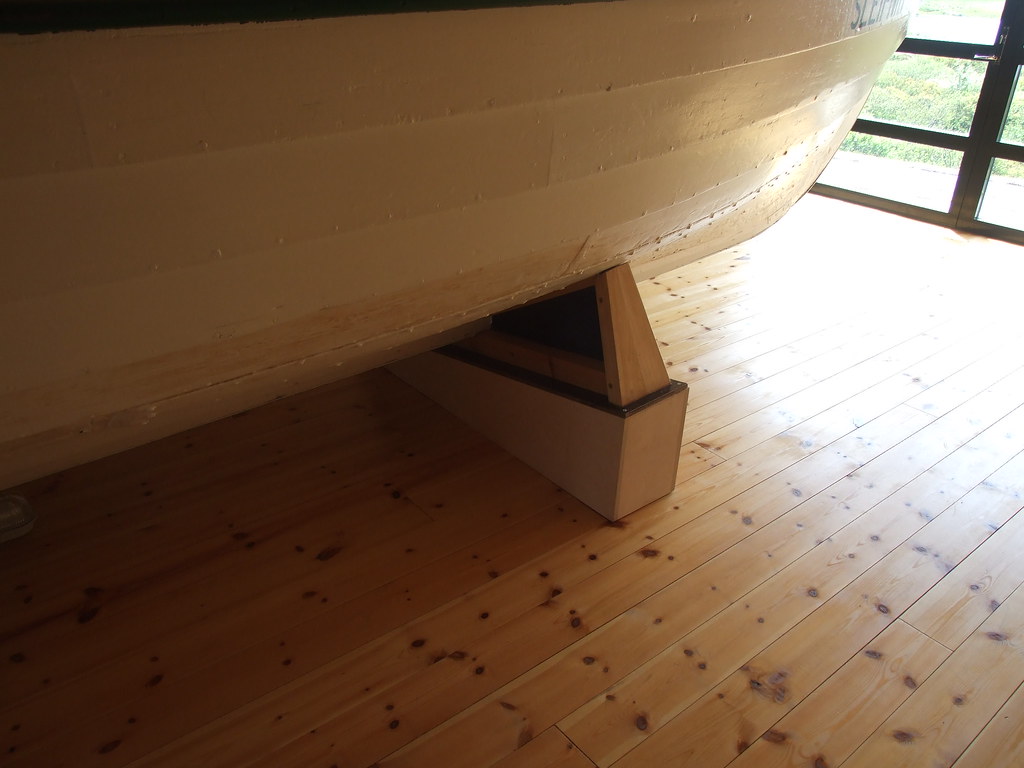
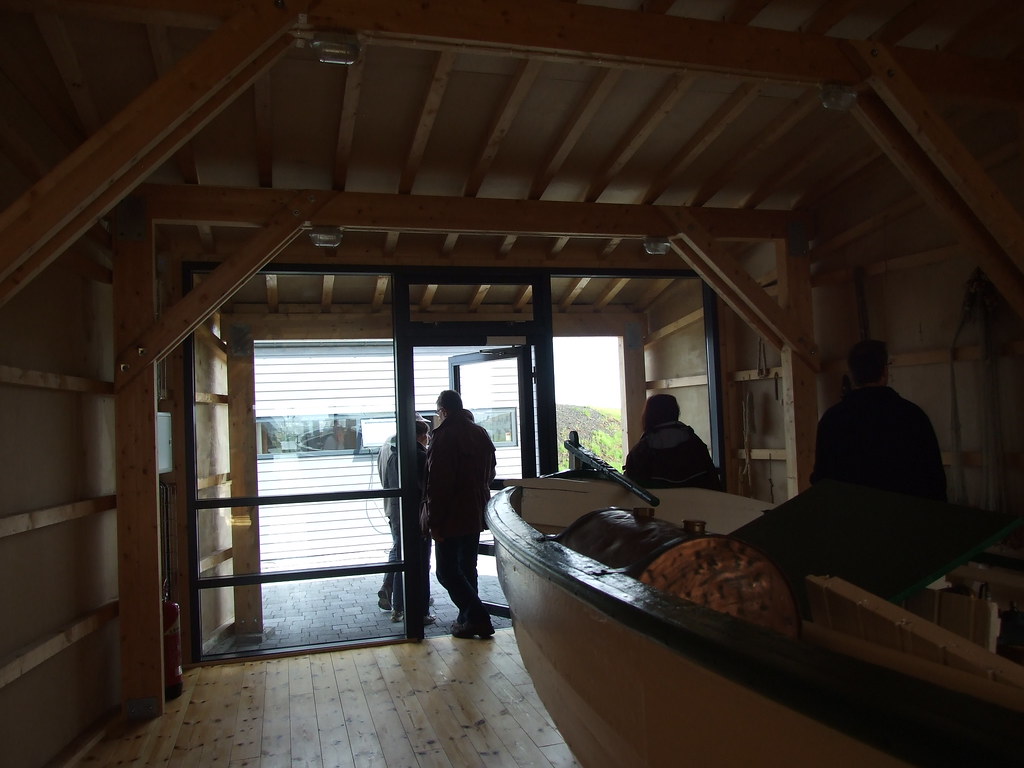
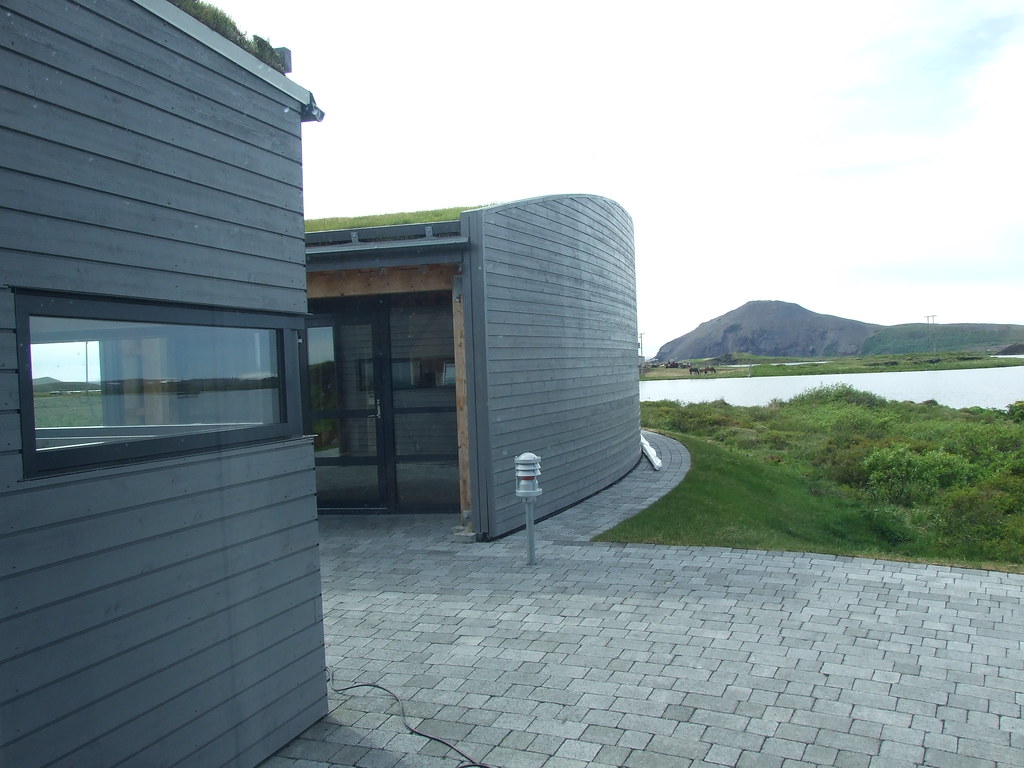
This summer I visited the Sigurgeirs Bird Museum on Lake Myvatn (which I touched on in an earlier post. Will come back to it). They were about to open an adjacent building created specifically to house one of the earliest boats used on the lake, and let us in take a look.

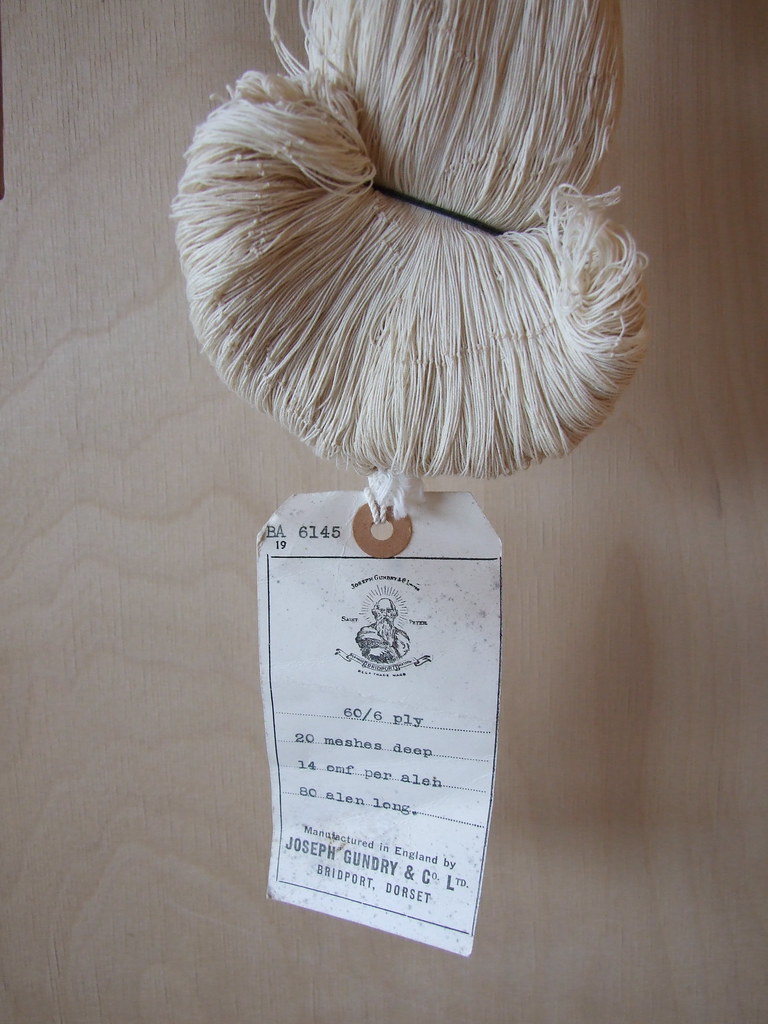
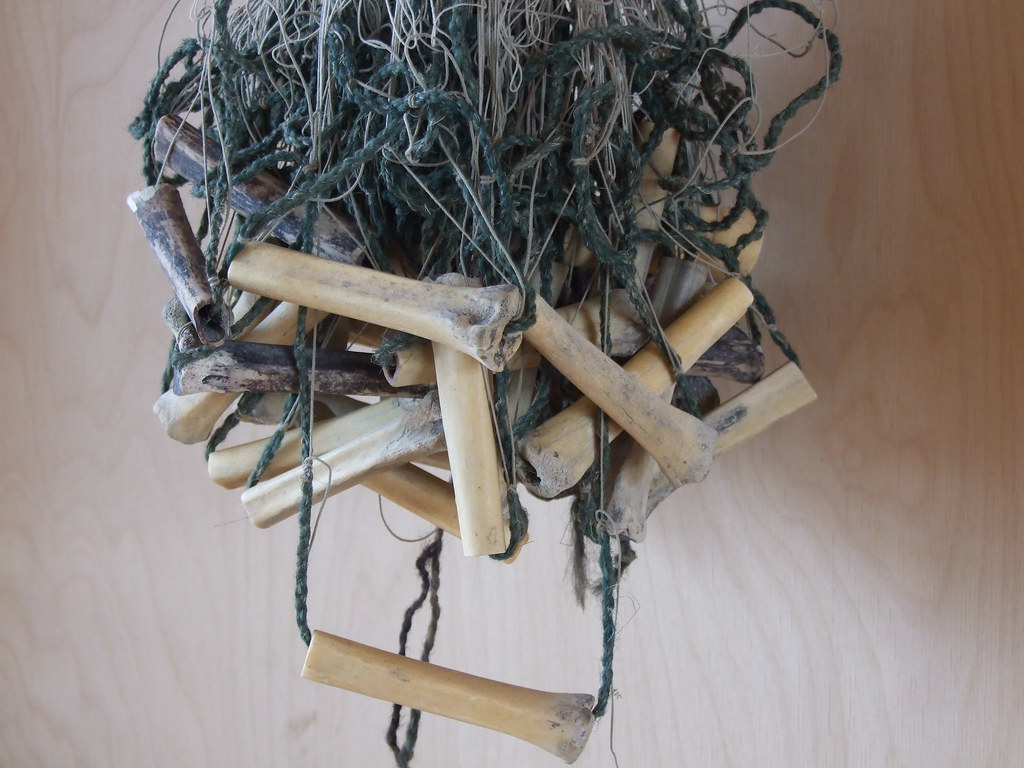
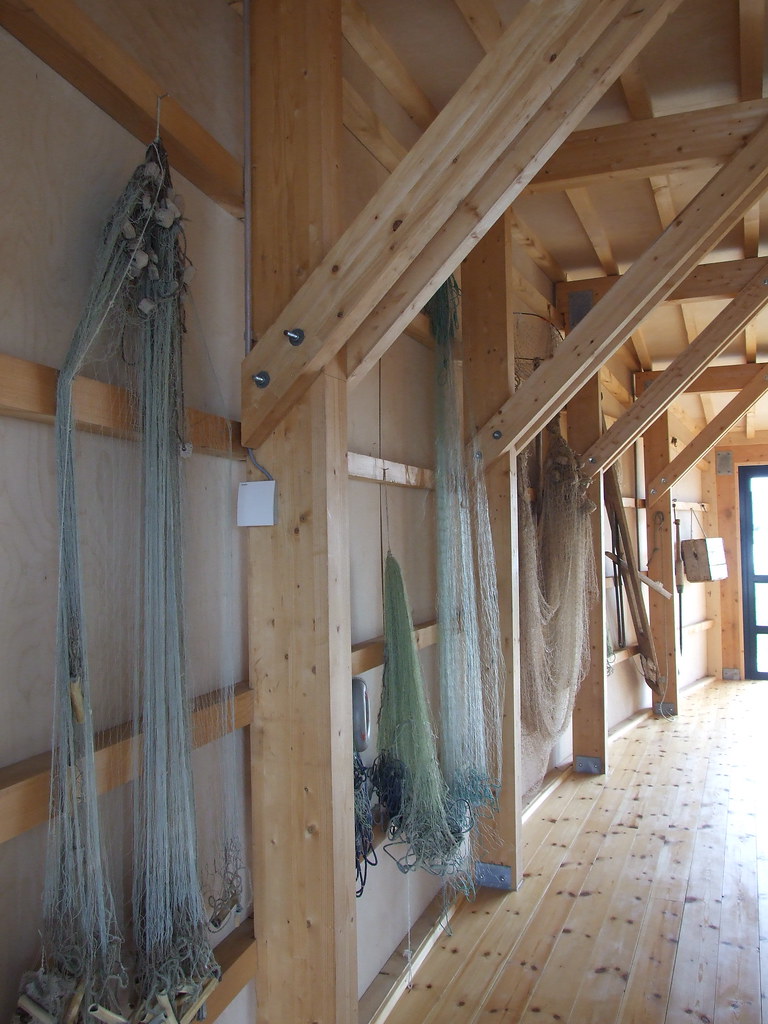
For me it was really a tribute to experience through design. This isn't a place where you want to add your story, make your mark or be a part of a larger whole through dialog. It's a place for reflection, and calm and a little sadness– all reinforced by careful editing. Note: click on the images for descriptions.

Myvatn Boat Museum, IcelandMyvatn Boat Museum, IcelandMyvatn Boat Museum, IcelandMyvatn Boat Museum, IcelandMyvatn Boat Museum, IcelandMyvatn Boat Museum, IcelandMyvatn Boat Museum, IcelandMyvatn Boat Museum, Iceland
This simple, profound design etched a place in my brain that most others have not. It's left space open for me to have emotions about the experience without the cacophony of the rest of the world.

Friday, October 9, 2009

Those Calls & Emails Really Do Count


By Maria Mortati, Sr. Exhibit Developer
AAM's Aviso Newsletter reported yesterday:
"...the Coburn/McCain amendment—which would have prohibited any funding from the Transportation Appropriations bill from going to any museum—was defeated on the Senate floor on Sept. 16."
Ford Bell, AAM President went on to state the cold hard truth: we have to stay on top of this stuff. It may not be very exciting and feel all that cutting edge to write your senator or call. But if you want a museum that's cutting edge to go to, then you've got to stand up for them.

So thanks to all who did, and to all who will in the future! Great job.

Wednesday, September 23, 2009

What aesthetic does a prototype need?


By Maria Mortati, Sr. Exhibit Developer
Should a prototype exhibit or space in a museum feel as refined as possible, or like an experiment?

We've been working on this with a client who is starting to test out ideas (as well as themselves) through prototyping. The Fort Collins Museum and Discovery Science Center merged last year, and while they are in development of their new facility, they have moved in together. They are smartly using this opportunity to test out new ideas, their relationship, and inviting the public in to participate. 

One question that's come up is what should this look like? Does it want to look like a finished exhibit? 

Our recommendation is that it is more inviting for visitors if it feels like a prototype- leave things unfinished (but safe) and loose.  For example, print out graphics and clip them up, leave the walls bare white or unfinished. Clamp on lighting- you get the idea. 

This creates an environment where both ends of the relationship can take risks and have permission to mess up and iterate.

Our experience is that the visitor will be more open to raw ideas presented if they come into it as an invitation into your experiment. They can feel like they are a part of the process at the museum. Which they are.

You can also invite them to come back and be a part of the testing and development as things progress. A great vehicle for repeat engagement. 

We're excited to see how things progress, and we'll report back from time to time as things progress. This is going to be fun.

Wednesday, September 16, 2009

New Tool for Citizen Science?

[By Justine Roberts]

I am not someone who could be characterized as an “early adopter” of new technologies, even when they are whiz bang cool. But I do get excited about technology innovations that suggest new and deeper ways for museums to engage with their public. When I learned about Pachube I wondered: could museums leverage this relatively simple idea about how people, objects, and the web interact as part of a strategy to build on-going relationships with audience members around issues important to them?

Pronounced Patch Bay (the name references the function of an old fashioned switchboard) this open-source code connects people, via the web, to objects in the real world. These objects – or devices – have been outfitted with a sensor that can send data to pachube’s website. Data can be stored, aggregated with other data feeds tracking similar information or from linked devices, graphed, and shared. The connections are many-to-many, and happen in real time so that data streams can be sent to handheld devices, or updated on public websites as they change.

So why is this so exciting? I don’t really need to know if the snack machine on my floor is stocked with my favorite chips before getting up from my desk. And some of the ideas that pachube suggests on its website are a little “gee whiz” – like linking lamps in different cities together so that one turns on or off in response to the other.

But there are some new research potentials that this technology opens up both for professionals and – most relevantly for museums - for citizen scientists. Using pachube I can track, for example, my carbon footprint in real time, and also monitor my community’s energy use or pollution levels. In addition to pulling information in, pachube can send instructions out to its linked devices - for example, turning off the lights when the power grid is running at peak capacity.

Some citizen science projects – like the annual Cornell Backyard Bird Count, or the National Geographic DNA Project– require people to collect information manually, and rely on them to enter it into a database. Pachube is targeting a different kind of (automated) data collection, and at the same time making it easier to collect detailed, specific information. The addition of the smart networking function, which allows devices to be responsive to the data, also makes it possible for individuals (and organizations) to act on this information. Pachube is removing barriers to participation on both sides of the equation.

So how might museums use pachube?

Museums are ideally positioned as the hub of citizen science initiatives, and a number of museums are already experimenting with projects. In addition to serving as a community partner, they are acting as the central access point for hardware and software, and the host of the public interface that allows participants to see both their own data contributions and the big picture. In addition to bringing like-minded individuals into contact with one another, and organizing collective action, many museums see citizen science initiatives as an opportunity to serve as the host for discussion and debate around issues of critical importance to the community.

Pachube’s automation, ability to aggregated data, and emphasis on linking action to results, seems to have the potential to amplify the strategic goals of many museums to play a role as a top-of-mind local resource, and as a hub that links people and resources. It supports a type of activity consistent with museum’s missions, all in a way that is audience-centered and relevant.

How might you use it at your museum?

Wednesday, September 9, 2009

More on 21st Century Skills: an IMLS Report

[By Justine Roberts]

Building on Maeryta's post from last week- I'd like to say that not only are 21st century skills important for both children and adults, but we believe museums are uniquely positioned to support their development.

21st Century skills are those skills that are needed by the workforce in a post-industrial, knowledge-based economy. Museums are clearly wonderful places to spark imagination, encourage questions, risk taking, persistence, and trial and error. Some museums are better at making their visitors comfortable, leading to the kind of un-selfconsciousness and frustration tolerance needed for lifelong learning. But skills development - as opposed to content transfer for example - is in museums' sweet spot.

About two weeks ago, IMLS published a new report titled 21st Century Skills, which attempts to “outline a vision for the role of libraries and museums in the national dialogue around learning” in the new century. It identifies a set of skill categories, and the key skills within each, that museums and libraries are best positioned to support. The report also includes analysis of societal changes that affect the expectations and needs of our audiences, and a discussion of why focusing on skills development matters now. Along with case studies from all types of museums and libraries from around the country is a chart that summarizes the 20th century museum model and contrasts it with that needed for a 21st century museum.

In addition to being useful as a program planning tool, the 36-page report is intended to serve as an institutional planning tool. To this end, it includes a self-assessment that allows museums and libraries to evaluate their organizational culture. The implication is that any organization that hopes its visitors will develop problem solving and lateral thinking skills for example, needs to model those behaviors within its own staff and structures.

Tuesday, July 21, 2009

Kool-Aid Drinking has Reached Global Efficacy

Justine Roberts just forwarded an article from yesterday's Christian Science Monitor: Museums' New Mantra: Connect with Community.

We are thrilled for the museum community, our clients and of course, ourselves that the idea of museums as community centers continues to get out to an increasingly broader audience (though I was surprised by the omission of Nina Simon from the article-- her work was cited however, if not name).

The trajectory of museums has not been one of a lack of community engagement or reflection, it's just that it takes a while for institutions to catch up to societal changes such as 2.0. I believe that museums in the 19th and 20th centuries did a fabulous job of educating and sharing to the best of their abilities and in the context of their time. This article is evidence of more of the same on their behalf.

As I've said before, my personal wish is that museums can retain their voice (which is a very well-informed one) while providing room for the creations, perspectives, and voices of the public to foster greater understanding and surprise for both.

It is this informed and gently shaped "collaboration" that is the key to serving the public. So drink up, people, and have fun.

Tuesday, March 31, 2009

Why your vision is your cornerstone

mission, vision, museum, maria mortati
Having a well-defined vision can be more empowering than laying that first stone. If it's clear and unique enough, your staff can apply it easily. Then you've given them a conceptual guide... or legacy that will outlive you and your building.
Think of Frank Oppenheimer at the Exploratorium- his values are carrying on long after he's gone. Another example is Al De Sena's vision from Exploration Place. To this day the staff at Gyroscope can cite it. It sheperded the exhibit development process by giving the team a point of view that helped them determine what to include and what to leave out.
We asked ourselves, does this exhibit idea help the visitor:
"Inquire, imagine, express, and design?"
It's important to have a vision that lets you exclude things. That helps define who you are, and who you are not. As my mom would recite: "You can't be all things to all people, Maria."

Wednesday, March 25, 2009

Girls n Boys n Science Exhibits

maria mortati
Yesterday's suggestion that women may have a different engagement with science+technology than men meshes with some research we've been tracking here at Gyroscope:
"For decades, women have been chronically underrepresented in the sciences. More than two decades of research has uncovered a source of this bottleneck: real differences between how women and girls approach technology and the sciences versus men and boys. Women and girls tend to view technology as a tool for communication, companionship, and social utility, often focusing on what technology can “do” to improve the conditions of everyday living. In contrast, men and boys tend to view it as an object that will help them transcend the barriers."
- The Center for Children and Technology
Historically, science museums (through no fault of their own) have catered toward a more boy-centric approach to science exhibits. Think of phenomena rich, context "lite" traditional science exhibits. Turns out maybe girls just wanna have more... connection. We're working on what more gender-equal science exhibits might look like. Stay tuned for research and insights as we progress... and feel free to point us to any info you've found!

Wednesday, March 18, 2009

Tattoo Story

Leah Douvris, Virginia Cafe, Maria MortatiI commented on our waitresses tattoos recently. I thought they were beautiful. Instead of just saying "thanks", and refilling my coffee, she filled me in.

They were primarily floral (the ones we could see), and were flowers that reminded her of her mom who passed away when she was young. Her mom loved them. "Gladiolas for remembrance, poppies for anticipation of the last day", and so on. I'll always remember she has a lion supporting a bull on her back even though I never saw it, because it's her mom's sign and hers.

This experience reinforced the idea I've written about before. If you can provide an emotional hook, you'll create a cognitive "stickiness" for your ideas.

I'll remember that this woman loved her mom, and reflected it on her body. Won't you?

Many thanks to Leah Douvris, at the Virginia Cafe.

Friday, March 13, 2009

Artists as Public Programmers - is this about audience?

artist,  public program, museum, phil ross, critter salon, maria mortati


Building on the theme for the week of exploring the role of artists who “do” public programs, I began to wonder if this was a question of demographics and audience? I mean, look at the picture above- everyone is in their 20’s - 40’s, and possibly single or newly married.

Which got me to thinking about other public programs that aren’t held in museums which reach a similar demographic- science cafés. I love the idea, and went to a fun and informative science cafe session at ASTC last fall (I made a comic about it, you can find it, and DIY links here).

Ever since, I’ve been encouraging clients to pursue this particular audience through such a mechanism (going to them, or catering to their lifestyle). I mean, why should kids have all the fun?

It’s pretty clear that “in this economy”, folks are looking to do more with less, and closer to home. This could be a silver lining for museums- especially small ones. Take advantage of the moment and start a relationship with a local bar or restaurant. Start a science lecture series or art or whatever. Great resources and examples abound for how and why.

Which is what I think artists are doing. However, their interest isn’t geared so much at reaching a certain demographic-- that just IS their demographic.

Phil Ross wants to understand modern science, and as part of his process, he’s making it accessible.

Isn’t that what your museum wants to do?

Wednesday, March 11, 2009

Artist as Public Programmers: so what?

phil ross, critter salon, museum, maria mortati


So what if artists are producing science programs outside of museums? What does that mean for museums?

In her Monday post on Deliberately Unsustainable Business Models, Nina Simon made the point that museums need to do more than survive, they need to learn from such folks as the Mark Allen's (and the Phil Ross's) and also focus on being awesome.

Agreed!

But what artists are doing without funding -and often without the brutally political overhead of an institution- is take and idea and run with it.

Museums are houses to idea that has passed, contemporary or otherwise. Their job is to innovate on how to bring those ideas to the masses. For the large ones, their part-time job can be to foster research and innovation, or foster connections amongst ideas (I'm thinking of the Lab at Belmar's "Mixed Taste" series).

The job of the artists and scientists is to do their creative work - whatever it may be.

What this means for museums is that they need to continuously find new ways to bring attention to, or engage with the work of scientists and artists on a larger scale- while making them accessible is a goal. Being awesome while doing is hopefully a core value.

Next: is this a question of audience or accessibility?

Monday, March 9, 2009

Artists as Public Programmers?

phil ross, maria mortati On Saturday, I went to an event called "Clone Home". It was produced by the bio-artist Phil Ross at a flexible gallery/workshop space in San Francisco. It's part of a series of events called Critter Salon. The interesting thing is that he's an artist who is doing basic science outreach programs- and they're informal, engaging, and fun. You can see pictures of the event (and me, playing with plants, of course) here. I'm going to explore some of the questions and ideas this event raised in my mind this week. Such as, what does it mean if the programs are happening outside your museum? What need is that fulfilling?