Showing posts with label "design affects behavior". Show all posts

Friday, October 30, 2009

Part 1: the smaller of the 2

By Maria Mortati, Sr. Exhibit Developer

Since winter approaches, thought a quick post about a museum in Northern Iceland might be just the thing.

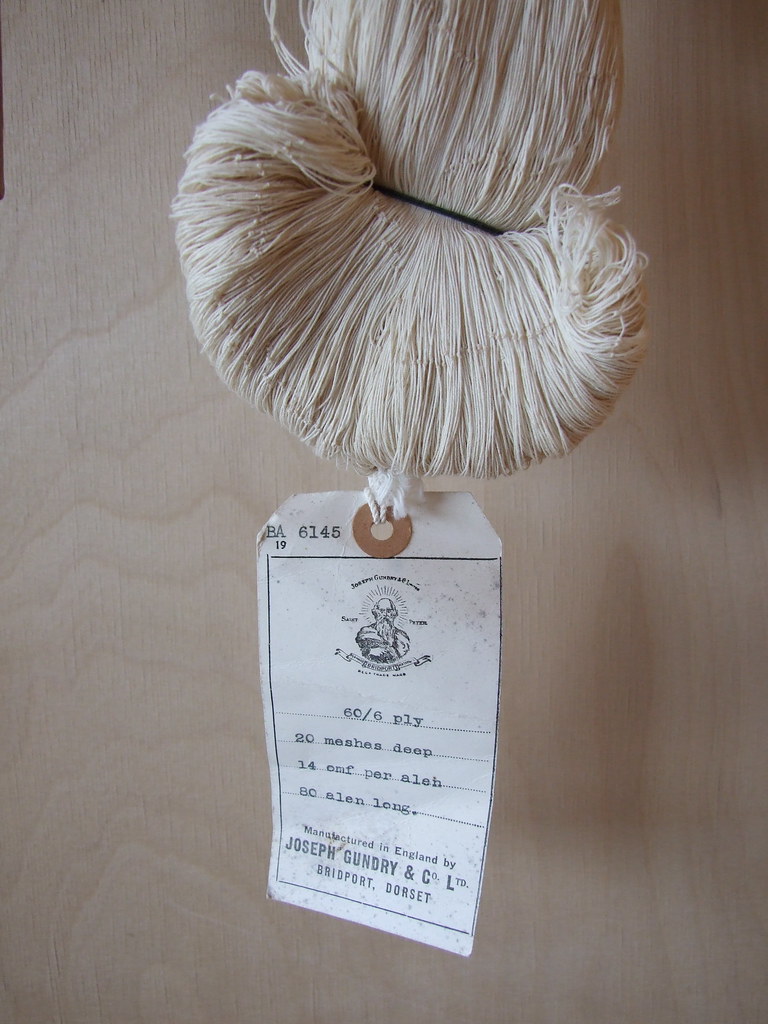
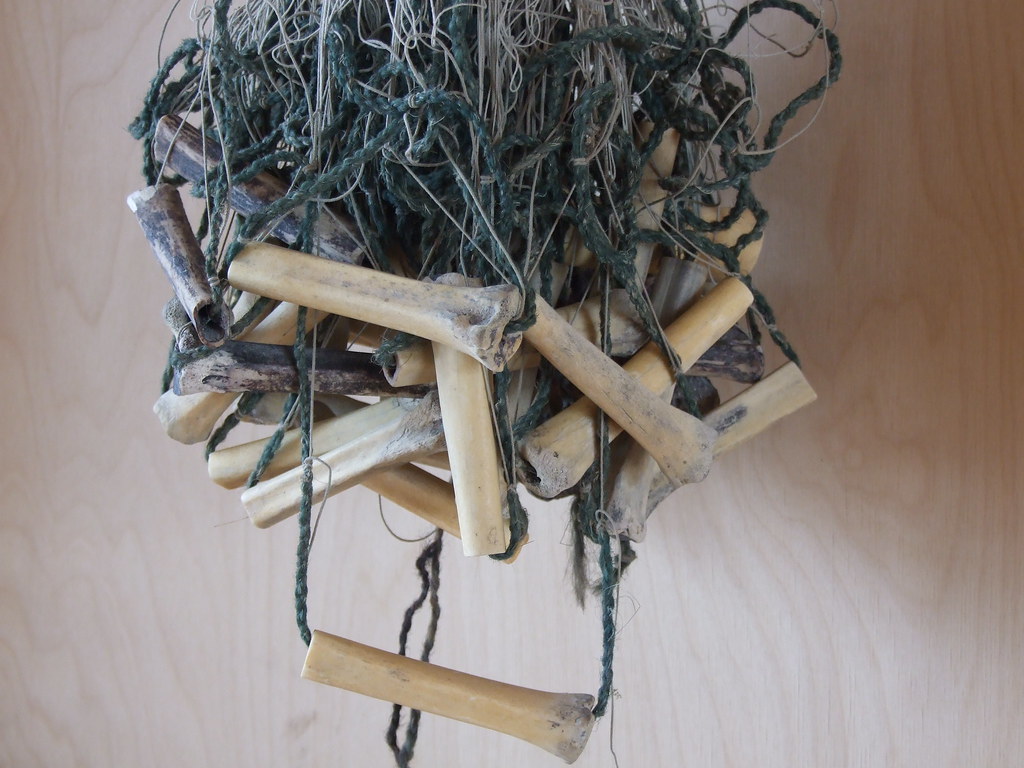
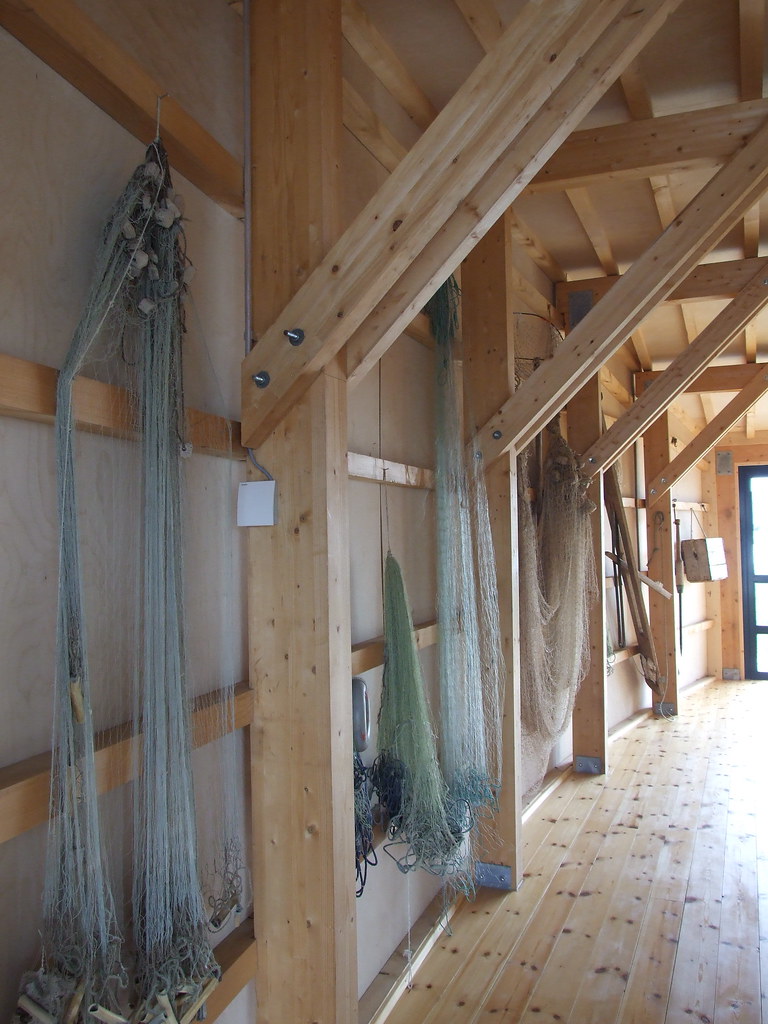
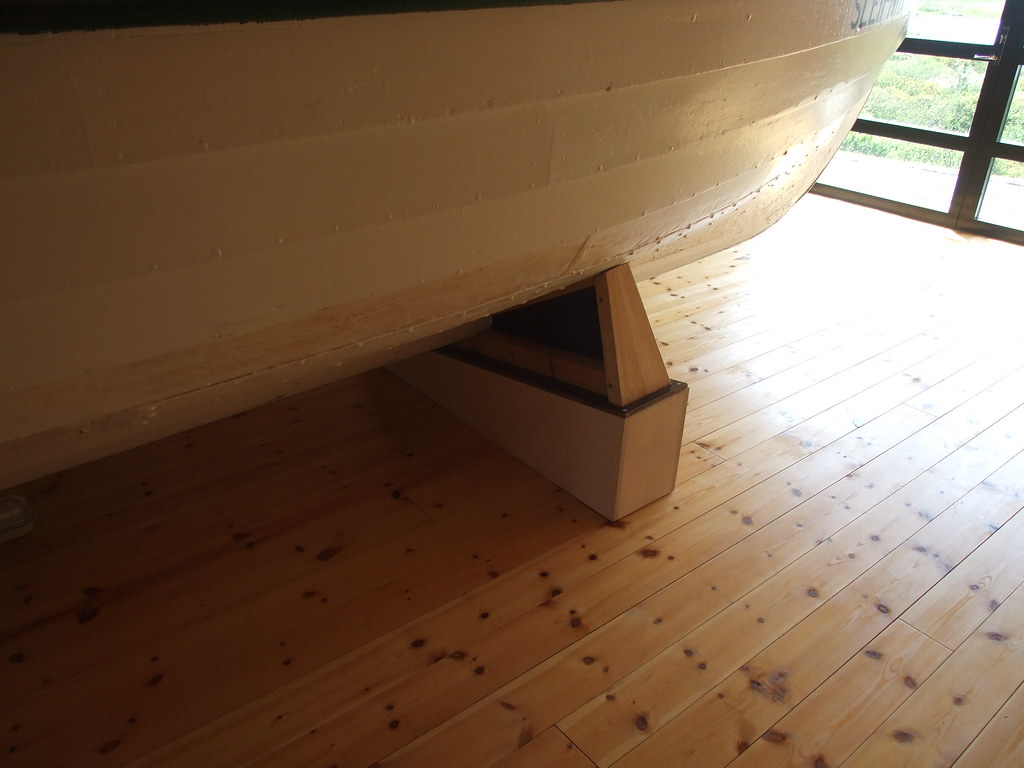
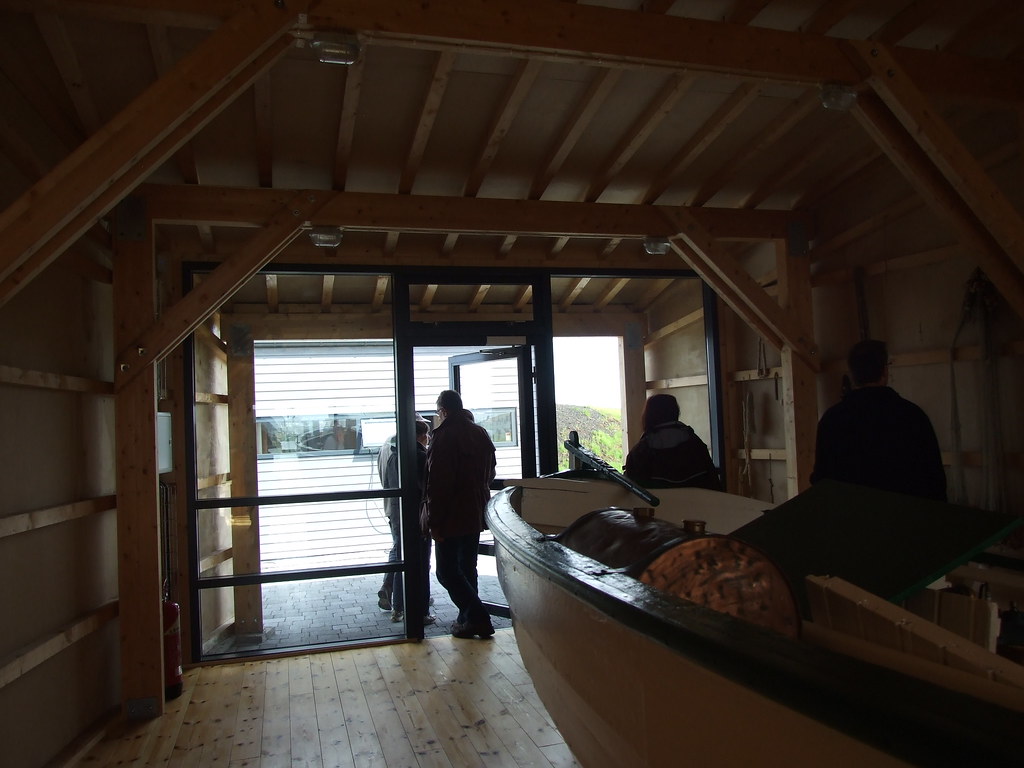
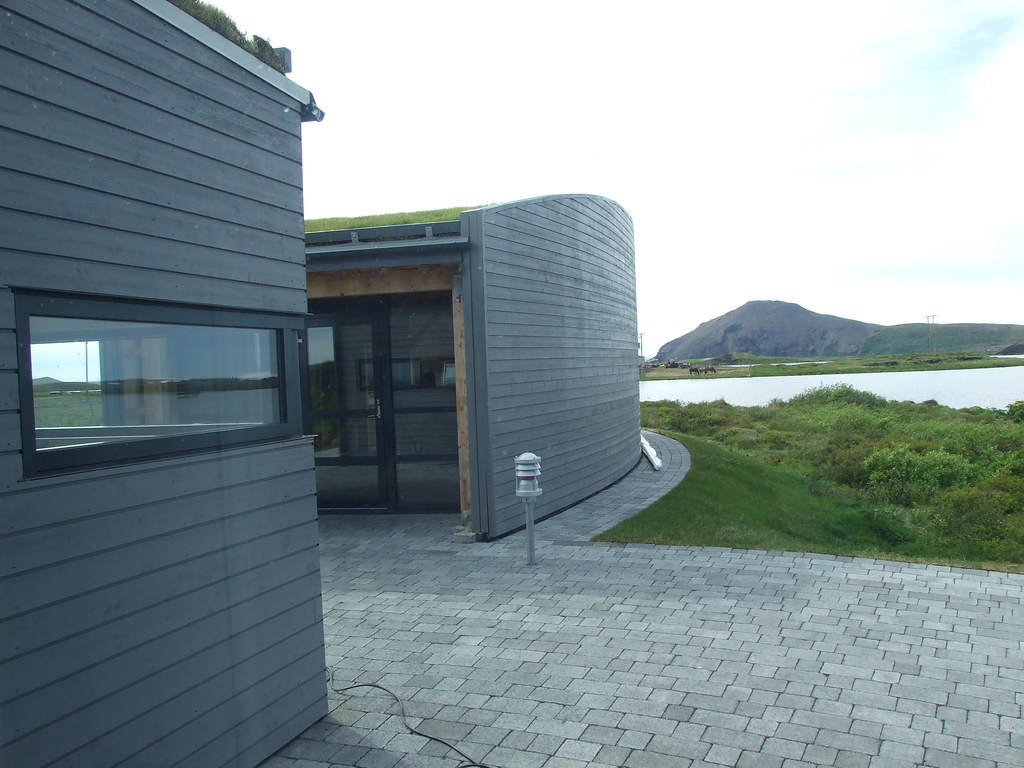
This summer I visited the Sigurgeirs Bird Museum on Lake Myvatn (which I touched on in an earlier post. Will come back to it). They were about to open an adjacent building created specifically to house one of the earliest boats used on the lake, and let us in take a look.

For me it was really a tribute to experience through design. This isn't a place where you want to add your story, make your mark or be a part of a larger whole through dialog. It's a place for reflection, and calm and a little sadness– all reinforced by careful editing. Note: click on the images for descriptions.

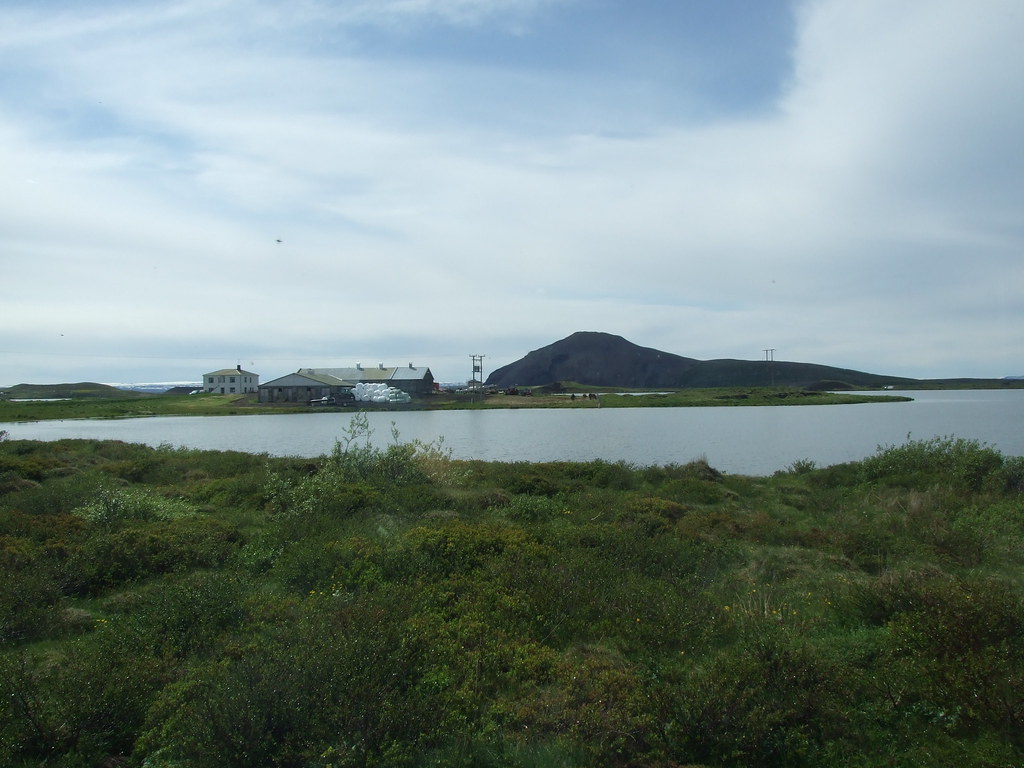
Myvatn Boat Museum, IcelandMyvatn Boat Museum, IcelandMyvatn Boat Museum, IcelandMyvatn Boat Museum, IcelandMyvatn Boat Museum, IcelandMyvatn Boat Museum, IcelandMyvatn Boat Museum, IcelandMyvatn Boat Museum, Iceland
This simple, profound design etched a place in my brain that most others have not. It's left space open for me to have emotions about the experience without the cacophony of the rest of the world.

Tuesday, September 1, 2009

Design affects behavior? Sure!

Le Laboratoire[Guest post by Justine Roberts]

At Gyroscope we expend quite a lot of effort on this point, and it is not news to urban planners, public artists, environmental psychologists, or many educators. A google search of “design affects behavior” reveals articles on how design affects voting behavior, inmate behavior, and the feeding behaviors of cows. The significance of the influence of design on learning is perhaps most succinctly articulated by Reggio Emilia in the phrase “the environment is the third teacher” (after the parent and the classroom teacher).

This past spring a new “gallery experiment” at Le Laboratoire, the art/science innovation space in Paris, explored how mood might influence design standards for housing. Studio R&Sie(n) and the mathematician François Jouve have created an experience in which they can measure the neurobiological responses of visitors (their mood) as they explore an on-going robotically built environment. At a sales desk “visitor/clients” were able to place an order for their bio-architecture to be implemented as part of the collective structure being created on-site.

Le Laboratoire is the brain-child of David Edwards and is designed to bring scientists and artists together through a series of year-long collaborations. The first exhibit documented the work of French artist Fabrice Hybert and Robert Langer of MIT who investigated intelligence. The second experiment paired Michelin-starred chef Thierry Marx and colloidal scientist Jerome Bibette who explored molecular gastronomy.

In the gallery visitors could have coffee served with a whiffer of chocolate. Le Laboratoire also released a product line of aerosolized chocolate for sale in the store.