Friday, October 30, 2009

Part 1: the smaller of the 2

By Maria Mortati, Sr. Exhibit Developer

Since winter approaches, thought a quick post about a museum in Northern Iceland might be just the thing.

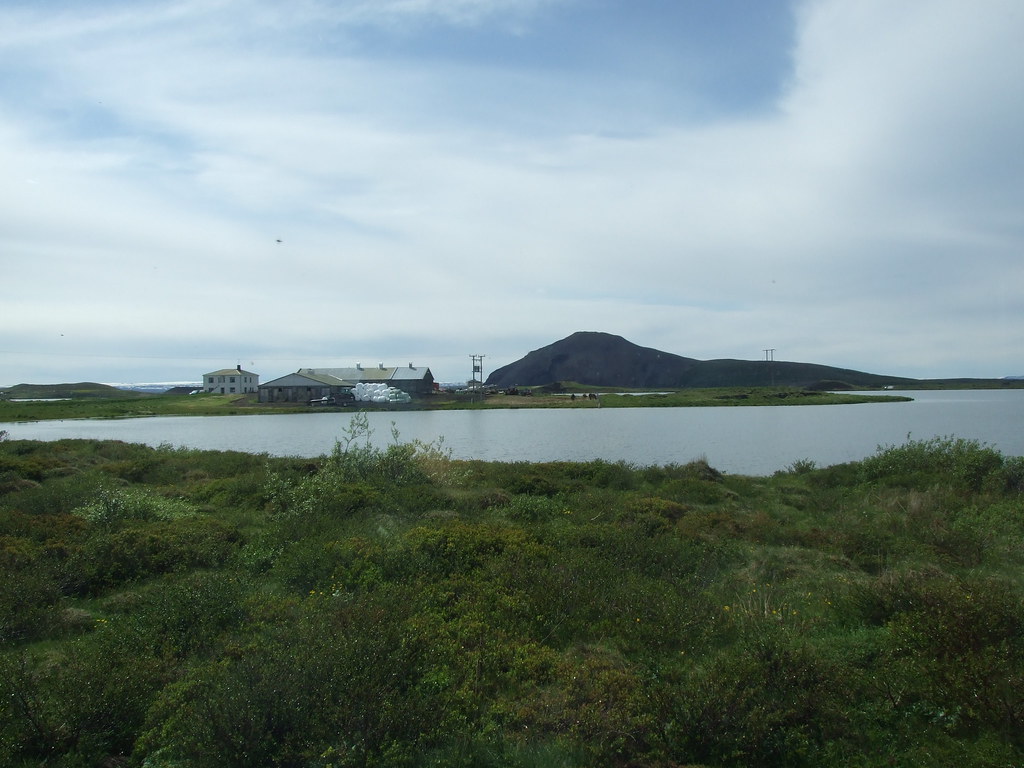
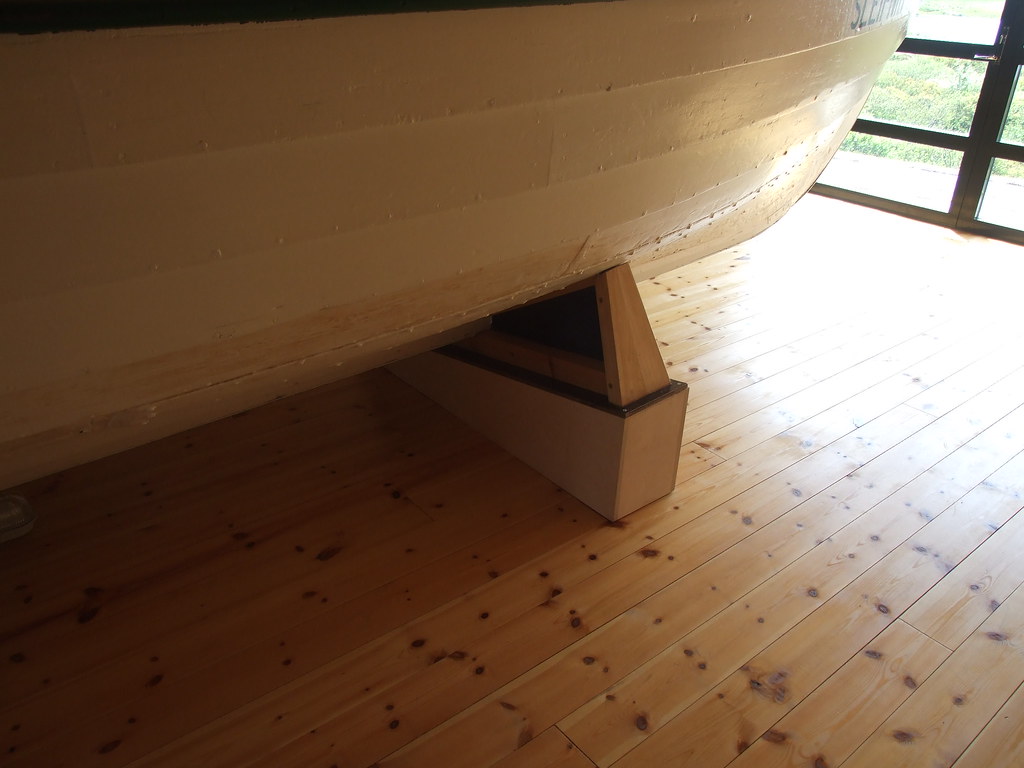
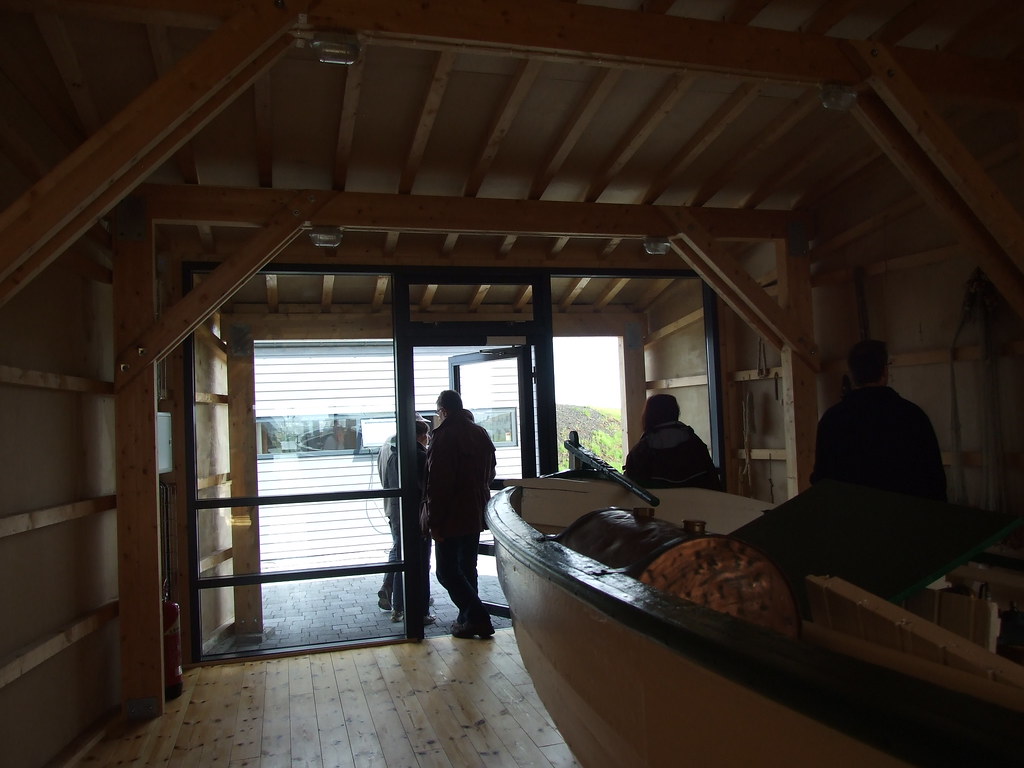
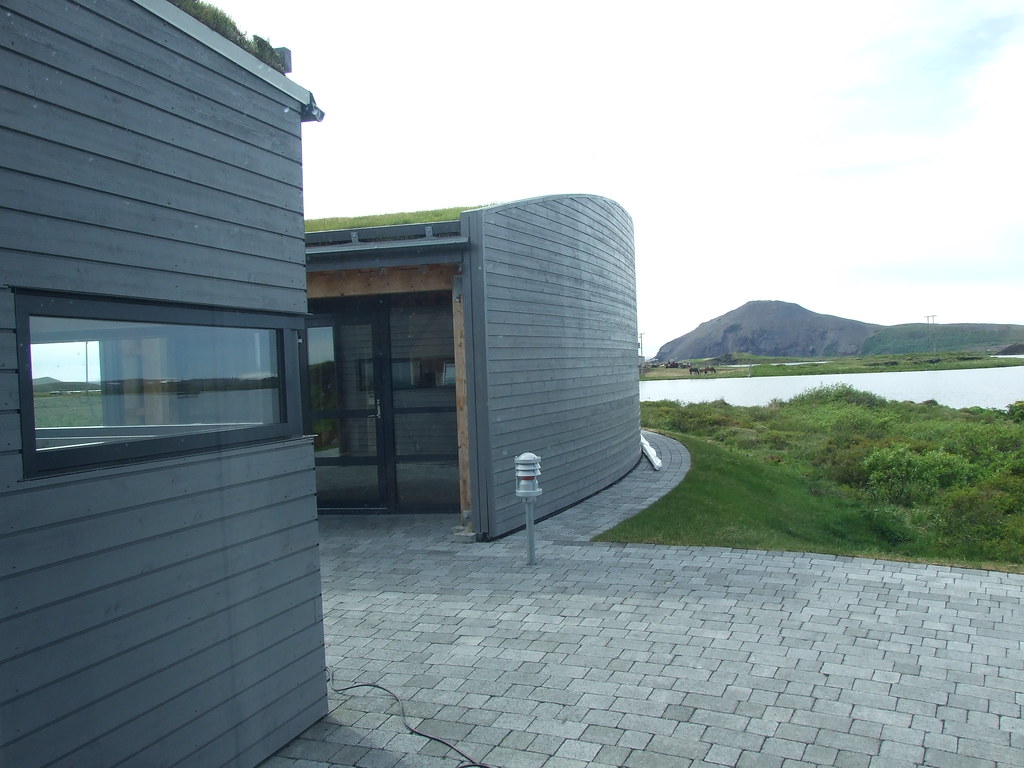
This summer I visited the Sigurgeirs Bird Museum on Lake Myvatn (which I touched on in an earlier post. Will come back to it). They were about to open an adjacent building created specifically to house one of the earliest boats used on the lake, and let us in take a look.

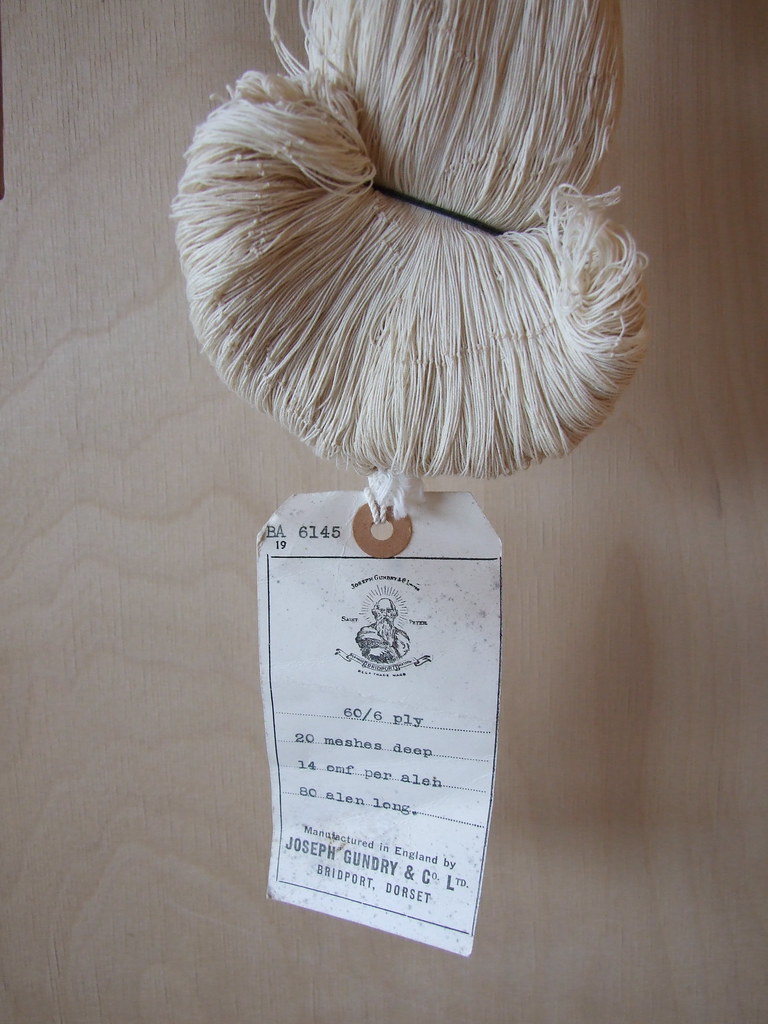
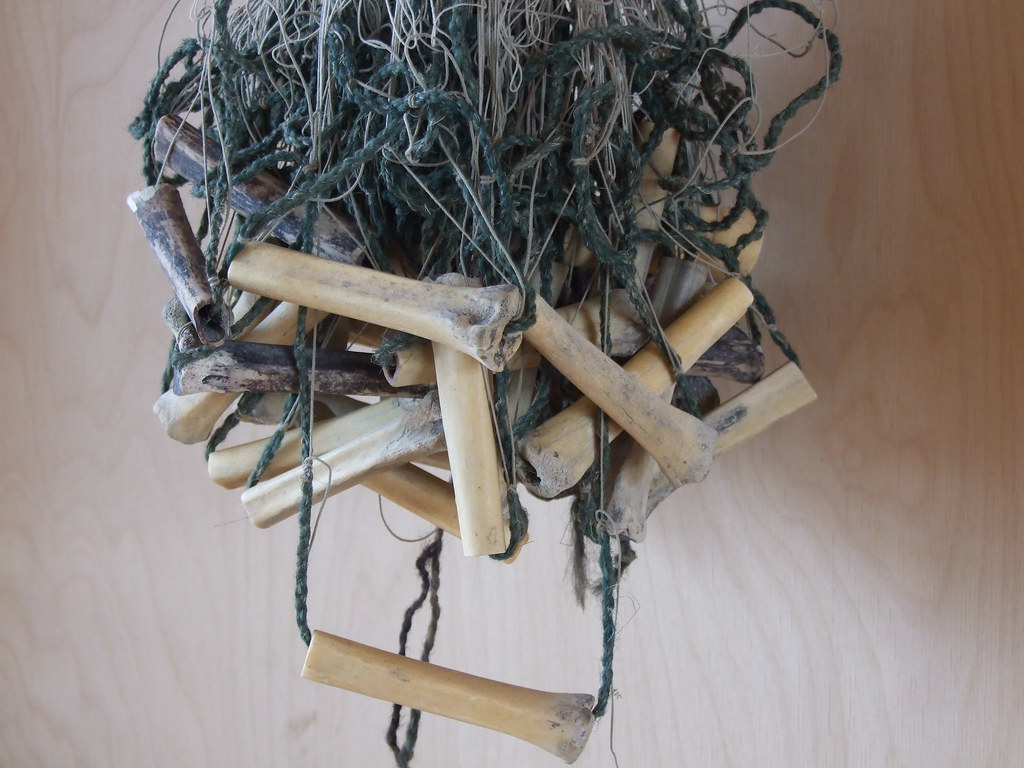
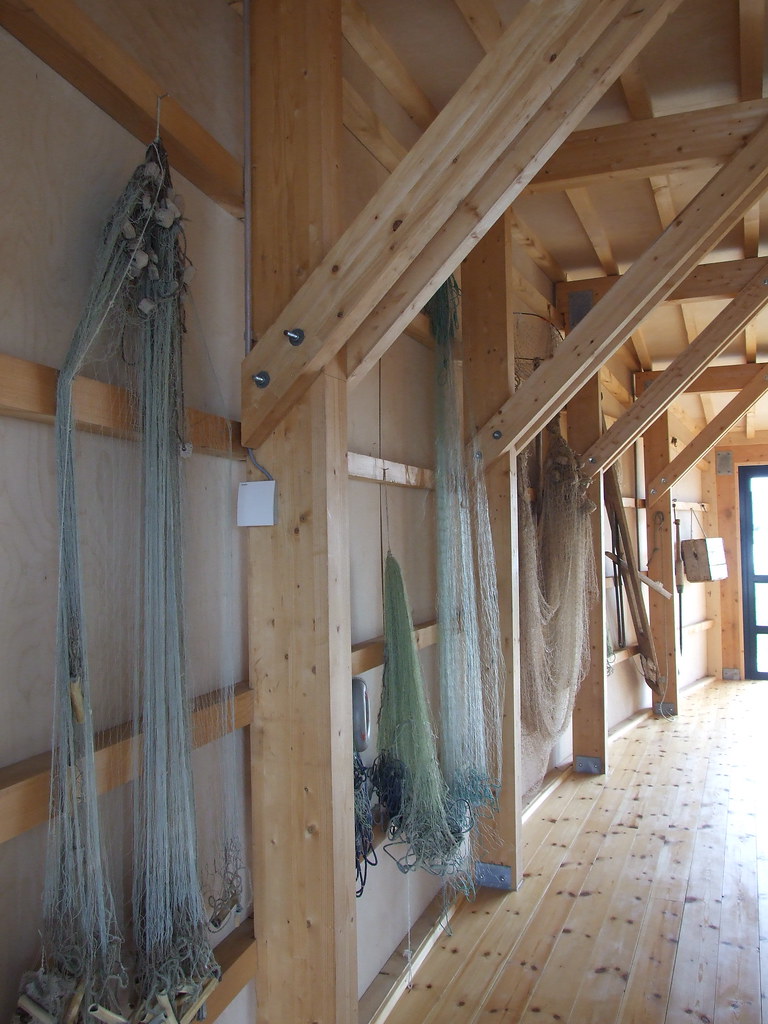
For me it was really a tribute to experience through design. This isn't a place where you want to add your story, make your mark or be a part of a larger whole through dialog. It's a place for reflection, and calm and a little sadness– all reinforced by careful editing. Note: click on the images for descriptions.

Myvatn Boat Museum, IcelandMyvatn Boat Museum, IcelandMyvatn Boat Museum, IcelandMyvatn Boat Museum, IcelandMyvatn Boat Museum, IcelandMyvatn Boat Museum, IcelandMyvatn Boat Museum, IcelandMyvatn Boat Museum, Iceland
This simple, profound design etched a place in my brain that most others have not. It's left space open for me to have emotions about the experience without the cacophony of the rest of the world.

Tuesday, October 27, 2009

Project Opening: Columbia Memorial Space Center


By Ron Davis, Principal and LEED AP

This past weekend marked the opening of the Columbia Memorial Space Center in Downey California. Gyroscope has been working on this project from its inception five years ago, and we are pleased to have seen the very first visitors enjoy the interactive exhibits at the Center. 

Downey was one of NASA's technology and production facilities and grew out of the early aerospace industry there. Among its notable achievements was the development of much of the Apollo program space vehicles, and the crew compartment of the space shuttle. The project is named as a memorial to the astronauts who died in the disastrous re-entry of the Columbia space shuttle. Though history is featured, the intention of the Center is to showcase past, present, and importantly, developing technologies. With the goal of fostering interest in science and technology in its visitors.

At the opening events, there were many retired engineers who had participated in pioneering space science developments. These developments are visible just out the windows from the new Center. 

The encounter that struck me the most was a conversation with an Hispanic mother of an 8 or 9 year old boy who really wanted her son to be inspired to pursue his interest in science– knowing that it could lead him towards future opportunities in a career that might not only fulfill his potential, but perhaps someday allow him to make his own contribution to the world. She asked if she might be able to volunteer at the center, as well.


It is extremely satisfying to see this new city-funded and city-run institution reach so many in their re-emerging community– from the aerospace workers with stories to share, to the young adventurers of the as yet uncharted future.

Slideshow:


Press:


Monday, October 26, 2009

In Consideration of Scale and Context


By Maria Mortati, Sr. Exhibit Developer
"A dynamic moment in American architecture — the explosion of art museums, concert halls and performing arts centers that transformed cities across the country over the last decade — is officially over. The money has dried up, and who knows when there will be a similar boom."    
- Nicolai Ouroussoff, An American Architectural Epoch Locks Its Doors, The New York Times
In my last post, I wrote about the influence of city --> neighborhood --> architecture --> on exhibit experience in the context of a visit to the EMP. Mr. Ouroussoff’s recent article provides a bit of support to my thesis (but written on an appropriately lofty, grand level). He evaluates the success or failure of large cultural centers through the appropriate application of context and scale.

This lens belongs in all layers of the design process: revisiting, and continuously being mindful of these two powerful factors. It’s not just about aesthetics, but how those aesthetics create or engage “place” which forms an experience.
“But their success has as much to do with context and scale as with the quality of the architecture. Millennium Park and the Miami cultural district abut relatively healthy, historically rich urban districts. And neither is bigger than a few city blocks.
‘...the question has been not only how to create vibrant public spaces but how to repair social, racial and economic scars that are decades old.”
Makes sense that the role of good (considered) design would be thoughtfully related to the constituents of a neighborhood. If they are your audience. 

Which gets to his final point. Mr. Ouroussoff closes suggesting that consideration of scale and context is key to success, and can create a more egalitarian experience for the region a project lives in:
“The failures in Dallas and Los Angeles, in the end, have less to do with too much creative freedom, the quality of the buildings and the master plan, or even the basic concept of an arts district, than with scale and context. They reflect the long battle between those who want to tear down old barriers and those who simply want to replace them with new ones. Solving that conflict will be left to a future epoch.”
However, I think that a good master plan must take this into consideration. Determining whether those are bridges or barriers is something which ideally comes out of that process.

PS: If you don't have time to read the article, there is an historic overview of the of arts complexes here. While it includes a science center or two, the de Young (Herzog de Meuron) & Academy of Sciences (Renzo Piano) campus is conspicuously absent... along with the EMP.

Friday, October 23, 2009

Environmental Impact on Exhibit Experience


By Maria Mortati, Sr. Exhibit Developer

This week, I was back at the EMP (Experience Music Project). I loved the fact that I could get my hands on real gear and PLAY. 

For those that haven't visited, there is an entire zone of the museum where you can try your hand at guitars, drums, keyboards in open "pods". You can also go into sound isolation booths and "learn to play", and record.

While that was super fun, it felt a bit finished and sleek an environment for a me as a novice. The contrast between the environmental design and what I brought to the table was... dramatic. Sort of like asking me to sculpt in the white galleries of the MOMA next to a Donald Judd.

The people that created the exhibits developed cool, cutting edge, custom work. Their innovations span the visitor experience/informal learning all the way through to design and technology. They fundamentally moved the conversation ahead for all of us with their innovations.  Yet it wasn't the exhibit interactives that, err, set the tone.

My experience started with the city this baby was born in, and the immediate neighborhood it was sited in. The funder and subsequent starkitect formed the environmental capsule and set the tone. 

Those top level considerations had huge impact my resulting experience- and it's important to note that translates to impact on learning, repeat visitation, and many other things many of us are passionate about. 

In my ideal universe, we  have those conversations early on, so that's what drives the bus.

Thursday, October 15, 2009

Turn Your Museum Inside Out


By Maria Mortati, Sr. Exhibit Developer

VH1's True Hollywood Story (THS), CSI, and Make Magazine all point to one thing: people have an innate fascination with what's behind the curtain. Some different than others, but no less passionate.

What we often suggest to our clients is that this desire is an excellent motivator for engagement. Instead of exclusively focusing on a highly digested message or veneer, make room for letting people see the nuts and bolts of your operation. Or make that your entire experience if you can. 

Often we think of an exhibit as the culmination of ideas and the period to the sentence of investigation.  So how might we turn this on its head and include them in the investigation? 

Truth be told, I'm the first person to admit falling in love with an exhibit idea and running away with it. The challenge is how to leave enough room for someone I don't know to contribute to the overall solution or experience. That aspect in exhibit development craft is becoming accepted, but moving beyond the individual exhibit to the entire environment is a bigger leap– for lots of practical reason$.

There are other places which do this in a manner of ways- the Brookfield Zoo's Hammill Family Play Zoo lets children play director, vet, etc for a day. Their web site makes our point well:
"Children need to touch, explore, build, and do. The Play Zoo lets them touch animals, build habitats, paint murals, examine animal X-rays, plant gardens, dress up as a bird, discover insects, and more. The primary goal is to foster feelings of love and caring toward nature by doing, rather than communicating scientific concepts or facts. Brookfield Zoo wants kids to feel connected with nature and have fun doing it!"


The power of involvement in a shared discovery process vs. simply being "told" is huge, and its manifestation can run from open labs & storage, to public programs, or exhibit programs where the visitor is a key component of the outcome.

One strategy is to find ways to make the work you are doing simply visible. I would argue that the impact on the visitor of role modeling is a powerful tool not to be easily overlooked. Thousands of people get exposed to possibilities beyond the museum's topic-du-jour when they see us at work.

From an operational perspective, making our work transparent has other benefits. I used to work in the machine shop at the Exploratorium. Working with loud equipment has its own challenges, working with loud equipment inside a museum where there were thousands of visitors mulling around added a level of complexity to my day. 

It also created an inescapable awareness of who I was working for. That atmosphere has an amazing ability to focus on our true objective.

Image courtesy of Creative Commons/Flickr/rubbergloverlover